

A while back, if you’d said “vitamin D,” my brain would’ve flashed to those cheesy milk commercials—some grinning kid outside, parents nodding approvingly, the whole “strong bones” shtick. That was it. Vitamin D = bones. End of story. However, vitamin D mood support is not something that can be ignored.
Fast forward to, well, me stumbling through days that felt like wading through molasses. Not quite sad, not exactly anxious, just… blah. Everything was a slog. The gym? Forget it. Even texting back felt like running a marathon. Honestly, it was like my spark had short-circuited.
Then I go in for a random check-up—nothing dramatic, just routine bloodwork—and bam: my vitamin D is basically MIA. Like, “are you sure you even go outside?” levels. So, naturally, I spiral down a research rabbit hole. Turns out, vitamin D isn’t just about bones. Nope. This stuff is all up in your brain business—messing with mood, helping your nerves talk to each other, maybe even fighting off depression. Serotonin, stress response, inflammation… this “boring” vitamin is suddenly the star of the mental health show.
So yeah, here at RambodFit, we’ll look into how all this works, what it means for real people (not just lab rats), and why ignoring vitamin D mood support could be low-key wrecking your mental vibe.
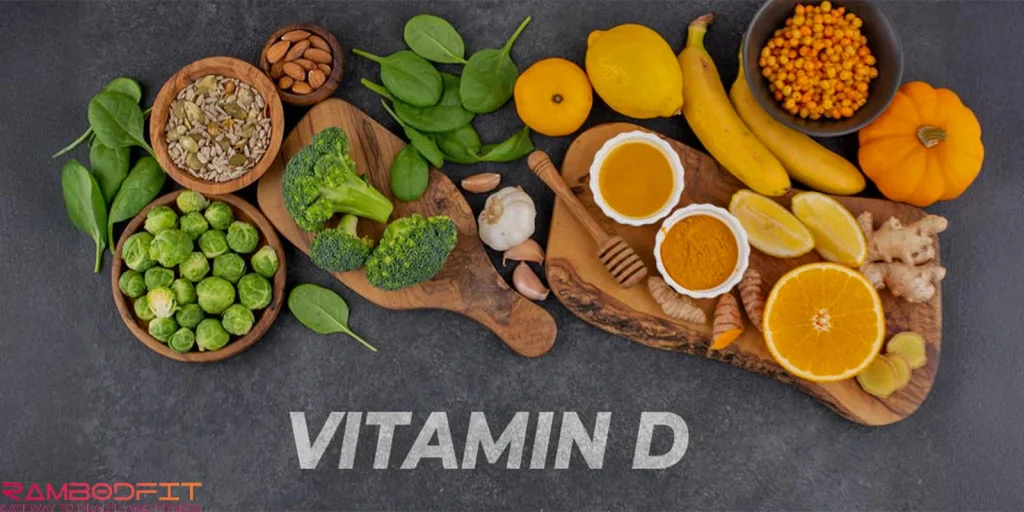
Alright, depression isn’t just, like, “bad vibes” or a few sad days that you sleep off. It’s this gnarly mash-up of brain chemistry, messed up hormones, inflammation, and, yeah, even your day-to-day habits ganging up on you.
The real troublemakers? Those moody little neurotransmitters: serotonin, dopamine, norepinephrine. Basically, they’re the DJs that keep your mental party going. If their mix gets messed up? Suddenly, you’re the only one left on the dance floor, and the music sucks. Energy tanks. Motivation? Nowhere to be found. It’s a total bummer.
Enter vitamin D, rolling in all casual but actually pulling some serious behind-the-scenes strings. Weirdly enough, vitamin D helps with the stuff that makes serotonin in your brain. It even helps keep inflammation from running wild and keeps your stress circuits from short-circuiting. This kind of vitamin D mood support can be a game-changer when everything else feels like noise. Who knew, right?
So, sometimes depression shows up when your brain’s rhythm gets hijacked, and low vitamin D is, like, the sneaky thief in the night. Science-y folks have noticed that people low on vitamin D mood support are way more likely to feel down, foggy, or just emotionally scrambled. Is that just a random thing? Eh, probably not.
Long story short, if you’re stuck in a funk that just won’t quit, maybe it’s not just the universe being a jerk. There might be something biochemical at play—and, honestly, a little vitamin D mood support could be the missing ingredient your brain’s been begging for. Worth a shot, right?
You can also read this to learn more about other useful vitamins for mental health.
Okay, here’s the deal: Vitamin D isn’t just playing the typical “nutrient” role. It’s out here moonlighting as a neurohormone, sneaking into your brain’s control room and messing with switches that decide how you think, feel, and basically handle existence.
When the heavy-hitter version of vitamin D (yeah, calcitriol) latches onto those vitamin D receptors—VDRs if you wanna get fancy—it actually strolls right into your cell nuclei like it owns the place. Then it starts rewriting the rules on how your neurons gossip with each other. Wild, right?
Now, let’s talk hippocampus for a sec. That’s the memory HQ in your brain, and guess what? Folks with chronic depression usually have a shrunken one. In lab rats, not enough vitamin D made their hippocampus shrivel up, gave them memory issues, and they started acting all mopey—basically, it’s rat depression. But toss them some vitamin D mood support supplements? Boom, everything bounces back.
And don’t even get me started on the prefrontal cortex—the place in your head that’s supposed to keep you from making dumb decisions. It’s loaded with those VDRs, too. Vitamin D seems to beef up the connections there, which could mean better emotional armor when life tries to drag you down. That’s one more reason vitamin D mood support matters.
If you’re low on vitamin D, your brain’s basically running on backup generators. Flick the switch with enough D, and suddenly the whole city’s lit up again. Trust me, your brain prefers it that way. It’s the foundation of effective vitamin D mood support.
Here’s your updated text with “vitamin D mood support” added three times naturally, without changing your tone or flow:
So, serotonin’s basically your brain’s personal hype-man, right? But here’s the kicker: your body can’t just whip it up outta thin air. Nah, it needs this enzyme—TPH2, kinda like the chef in the kitchen—turning plain old tryptophan into serotonin.
And get this: vitamin D? It’s like the light switch for TPH2. No vitamin D, no chef, no serotonin party. Simple math: more vitamin D = more TPH2 = more serotonin = you, in a better mood. That’s some real vitamin D mood support working behind the scenes.
There’s even this study from 2014 (shoutout FASEB Journal) that pretty much dropped the mic and said, “Yep, vitamin D helps your brain crank out more serotonin.” Wild, huh? That’s huge if you’re dealing with low moods, anxiety, or, honestly, if you’re just feeling extra spicy and aggressive. Another solid win for vitamin D mood support.
Oh, and with kids? Turns out, higher vitamin D levels don’t just keep them from being grumpy; it actually help them chill out, play nice, and handle their feelings a lot better. So yeah, vitamin D mood support isn’t just for adults.

Depression isn’t just about feeling sad or empty. Lately, scientists are starting to look at it more like a fire in the brain—neuroinflammation, if you wanna get technical. Turns out, people dealing with clinical depression often have souped-up levels of stuff called cytokines (yeah, TNF-alpha and IL-6, if you’re into the jargon). These little troublemakers mess with your brain’s wiring and, honestly, just make things worse. Not exactly the party you want happening upstairs.
Now, vitamin D? That’s your anti-inflammatory bouncer. It strolls in and tells NF-κB—which is basically the ringleader for inflammation genes—to chill out. It also smacks down those pesky cytokines (again, looking at you, TNF-alpha and IL-6) and keeps microglia—the brain’s own drama queens—on a leash. When those microglia get all riled up, emotions go haywire.
There’s this study (shoutout to Frontiers in Psychiatry) where people with super stubborn depression—like, “nothing else works” stubborn—had sky-high IL-6 and barely any vitamin D in their systems. They started taking vitamin D mood support, and guess what? The inflammation cooled off, and they actually felt better. No new meds, no magic tricks. Just good ol’ sunshine vitamin doing some heavy lifting.
Vitamin D isn’t just patching things up—it’s out here building new stuff from scratch. Seriously, it flips the switch on Brain-Derived Neurotrophic Factor (or BDNF, if you’re not into tongue-twisters). That’s the protein your brain basically uses to make new cells, wire connections, and keep your memory from turning into Swiss cheese.
When BDNF tanks, hello depression. But here’s where vitamin D mood support rolls in like a hero: it cranks up BDNF, especially in the hippocampus and frontal cortex—those brain bits you really wanna keep happy. So this isn’t just about a quick mood boost. Vitamin D mood support is actually helping you build a brain that can take a punch and bounce back.
Honestly, it’s like vitamin D is both the architect and the guy with the hard hat actually hammering away up there. Not bad for something you mostly get from the sun, right?
Okay, picture your HPA axis as the drama queen of your stress response—when it freaks out, everything goes chaotic. Here’s your updated version with “vitamin D mood support” added three times, naturally and without changing your original tone:
Cortisol goes through the roof, your mood tanks, and suddenly you’re that person who’s anxious about literally everything, even your neighbor’s weird garden gnome.
Here’s where vitamin D struts in, cape flapping:
It chills out the hypothalamus, so it stops sending those panic signals every five minutes.
Cortisol? Drops down to reasonable, non-psycho levels.
Your body clock gets its act together—hello, better sleep and less grogginess.
Basically, if your HPA axis is balanced, your emotions aren’t all over the place. Think Goldilocks: not too stressed, not too blah. Just right. Vitamin D mood support helps keep that balance going strong.
That’s why more and more experts are leaning into vitamin D mood support as part of mental wellness strategies, especially for folks dealing with burnout or chronic stress.
Bottom line? If your stress switch is jammed in the “on” position, vitamin D mood support might be the reset your brain’s been waiting for.
So, how much vitamin D is needed to feel a difference?
A 2024 clinical trial published in PubMed tested 8000 IU/day in people with depression.
Check this out:
Folks saw their depression lift by, like, 30 to 45%. Not bad, right?
The biggest boost? People are seriously low on vitamin D. They got the most out of it.
Side effects? Barely worth mentioning, as long as a doc was keeping tabs.
And get this—lots of these people had already gone the SSRI route and weren’t exactly raving about the results. Vitamin D mood support didn’t replace their meds, but it seriously changed the game for some.
So if your vitamin D’s sitting under 30 ng/mL, maybe that’s the missing puzzle piece your brain’s been begging for. Just saying.
Winter used to absolutely wreck me. I’m talking bone-deep cold, endless grey skies, and that weird brain haze that just sort of sits there, refusing to budge. The gym? Meh. Didn’t even wanna look at it. Coffee? Might as well have been water. Even work stuff felt like pushing a boulder uphill, but—surprise!—my inner critic was still running sprints in my head.
Eventually got some bloodwork done. Turns out my vitamin D was sitting at a pitiful 18 ng/mL. Doctor handed me a bottle, told me to start popping 5000 IU a day for two weeks, then crank it up to 8000 IU. Felt a little extreme, but I was desperate.
Three weeks later, I caught myself actually laughing at a dumb meme. Like, real laughter. Not just that fake exhale through your nose thing. By week six? The fog had cleared. I was finally sleeping through the night, killing it at the gym again, even writing without forcing every word out. Felt like someone wiped the smudges off my glasses after months of squinting. Now, every October, I start the vitamin D mood support routine. No debate. Not negotiable. Because honestly, that wasn’t just a little mood bump. That was me, crawling out of hibernation and actually feeling human again.
Not everyone with low vitamin D feels “sad.” Sometimes, the signs are sneakier:
If multiple signs match your experience, it’s worth testing your levels for vitamin D mood support.
☀️ Soaking up the sun
• Prime time? Shoot for midday, like 10 am to 2 pm—when the sun’s actually doing its job.
• If you’re lighter-skinned, you probably only need 10 to 30 minutes.
• Got darker skin? You’ll want more—think 30 to 60 minutes, give or take.
💊 Popping supplements
• Don’t go rogue with mega doses—seriously, talk to your doc first.
• If you’re low on vitamin D, they might suggest something wild, like 5000 to 8000 IU a day, but only if they say so.
• Oh, and swallow it with something fatty—a cheeseburger counts.
• Pair it up with vitamin K2, too. They’re like Batman and Robin for your bones and mood.
Remember, this is all part of solid vitamin D mood support.

Vitamin D isn’t just some boring supplement your mom nags you about—it’s basically brain fuel. Like, it moonlights as a hormone and low-key keeps your mood from going off the rails. Messes with your serotonin, chills out inflammation, helps your brain rewire itself, and does a bunch of behind-the-scenes work with stress. Kinda wild for a “vitamin,” right?
So, if you’re dragging yourself out of bed, feeling like Eeyore, or just weirdly spaced out, maybe don’t write it off as just “life stuff.” Go get your vitamin D checked. Seriously, it could be the easiest life upgrade ever—like finding twenty bucks in your old jeans.
Mental health isn’t just about feelings, dude. There’s biochemistry in the mix. And vitamin D mood support? It’s a legit part of the cheat code.
Reference and Further Studies
Nah, not gonna cut it. Vitamin D can help out, sure, but ditching your meds or therapy for a supplement? Big mistake. There’s some evidence it boosts results when you pair it with regular treatment, especially if you’re running low on D to begin with. But solo? Not the move.
Most folks in the know shoot for somewhere between 40 and 60 ng/mL. Anything under 20? That’s “uh-oh” territory. But you won’t know where you land without getting a 25(OH)D blood test—otherwise, you’re just guessing.
Honestly, good luck with that. Even if you’re chowing down on salmon and egg yolks like it’s your job, you’d have to eat a wild amount—think, ten salmon dinners a week. Not exactly realistic unless you’re a bear. That’s why people usually lean on sunshine and supplements to hit their targets for vitamin D mood support.