

These days, everyone’s chasing results, and supersets have become a favorite trick for lifters trying to squeeze more out of each workout, especially with the idea that supersets good for strength and gains if you use them correctly. You’ve probably heard the chatter at the gym—someone telling you to hit the bench, then jump straight into rows, barely catching your breath in between. It sounds intense, but does this really help you build more muscle and get stronger, or is it just another gym fad?
I’m going to dig into what the research actually says, lay out the real pros and cons of superset training, and throw in some stories from my own time at the gym, keeping in mind why many lifters believe supersets good for strength and gains when applied with purpose. You’ll get a clear picture of when supersets actually make sense, and how to use them without burning out or spinning your wheels.
So, let’s get into it. Stay with Rambodfit
Table of Contents
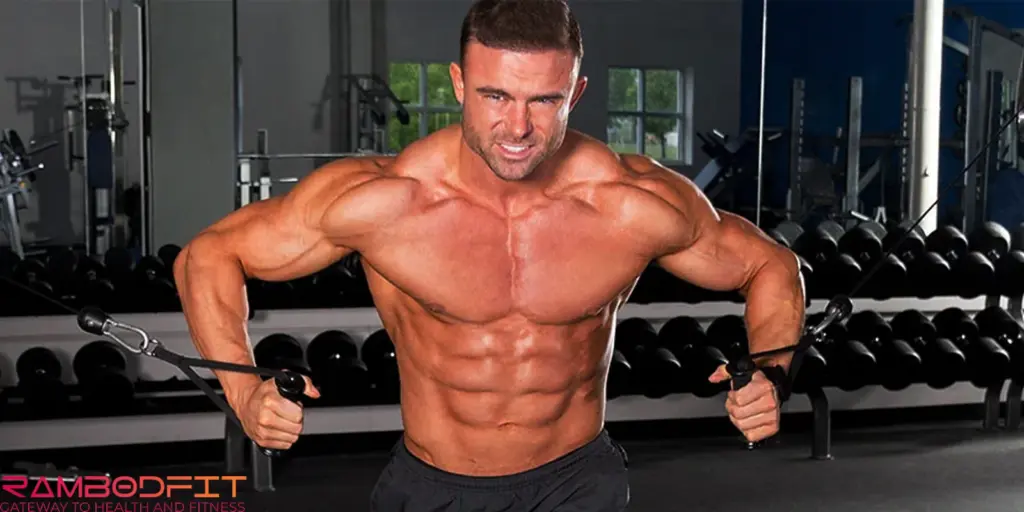
A superset is really just doing two exercises back-to-back, barely stopping to catch your breath in between, which is why many lifters say supersets good for strength and gains when programmed well. Say you knock out a set of bench presses, then jump straight into some bent-over rows. No break, just right into it.
There are a few popular ways to set these up, all based on the idea that supersets good for strength and gains depending on how you pair movements:
The main thing you notice right away? Supersets save time. When you push exercises together with little rest, your whole workout speeds up—a lot, actually—one of the biggest practical reasons people believe supersets good for strength and gains in a busy schedule. You can finish in half the time it takes with the usual rest-heavy approach.
When I first tried those chest-and-back supersets, I went from spending an hour and a half at the gym to wrapping up in just about an hour. The best part was, I still hit all my weekly training goals, reinforcing for me that supersets good for strength and gains when efficiency matters. I just got it done faster.
Here’s where things get interesting, especially if you’ve heard people claim that supersets good for strength and gains but weren’t sure whether the science backed it up.
A 2025 systematic review and meta-analysis found that supersets work just as well as traditional resistance training—at least over the long haul. Whether you care about strength, endurance, or packing on muscle, the results are basically the same, even though supersets use much shorter rest periods, reinforcing the idea that supersets good for strength and gains when programmed correctly.
Let’s talk strength first. When it comes to real-world gains, like bumping up your one-rep max, both approaches stack up about evenly over time. So if you’re chasing strength, you won’t lose out by choosing supersets—just make sure you keep your overall training volume and intensity up, which is why many coaches argue supersets good for strength and gains rather than a compromise.
What about muscle growth? Studies that measured actual muscle size (not just the mirror test) saw no real difference between supersets and traditional sets in the long run. That’s a big deal, since a lot of people assume you need long breaks to grow. Turns out, as long as you’re working hard and getting enough total reps in, supersets can help you build muscle just as well, supporting the idea that supersets good for strength and gains even without extended rest.
This fits with what we know about muscle growth. Advanced training methods like supersets let you squeeze more work into less time. We don’t have every detail figured out, but there’s good evidence that supersets ramp up metabolic stress—a key part of muscle growth—while saving you time, which helps explain why supersets good for strength and gains in real-world training.

Here’s something the science points out that’s easy to miss, even though people often say supersets good for strength and gains without mentioning the trade-offs.
Supersets really crank up the intensity. Studies show they push your body harder, both in terms of how much effort you feel and how much stress your muscles deal with during a workout, which is part of why supersets good for strength and gains feel so demanding in practice.
You might feel like you’re getting ahead, and honestly, you kind of are. But that extra push means you probably need more recovery time between sessions if you’re going all-in on supersets—another reminder that supersets good for strength and gains only when recovery is managed well.
The upside? It’s not a bad thing. You just need to stay smart about how you handle it, using the fact that supersets good for strength and gains as a tool, not a reason to run yourself into the ground.
Here’s where supersets really shine, and why so many lifters argue that supersets good for strength and gains when used in the right situations:
But they’re not always the best choice:
Take back squats and Romanian deadlifts, for example. Pairing them sounds efficient, but in reality, your performance will probably take a hit. I’ve watched clients try this and end up dragging through the second lift, feeling pretty flat. It’s not just in their heads—the research backs it up. Shorter rests really do make those sets feel a lot tougher, which is why supersets good for strength and gains only when the exercise pairing makes sense.

Supersets save time and still help you build strength and muscle, just like the old-school approach with straight sets.
They ramp up the intensity and make your workouts feel tougher, which can be great or tough to handle, depending on how well you recover.
If you work them in at the right moments—think accessory lifts, busy schedules, or conditioning phases—you can get more out of your workouts without losing any progress.
So, if you’re short on time but want to train consistently, supersets really do the trick. They turn “I want to” into “I got it done.”
Not necessarily — long‑term strength increases are similar to traditional training when volume and effort are matched.
Yes — studies show no significant difference in hypertrophy outcomes if total work remains the same.
Yes — metabolic stress and rating of perceived exertion tend to be higher, which can be great for intensity but requires smart recovery planning.